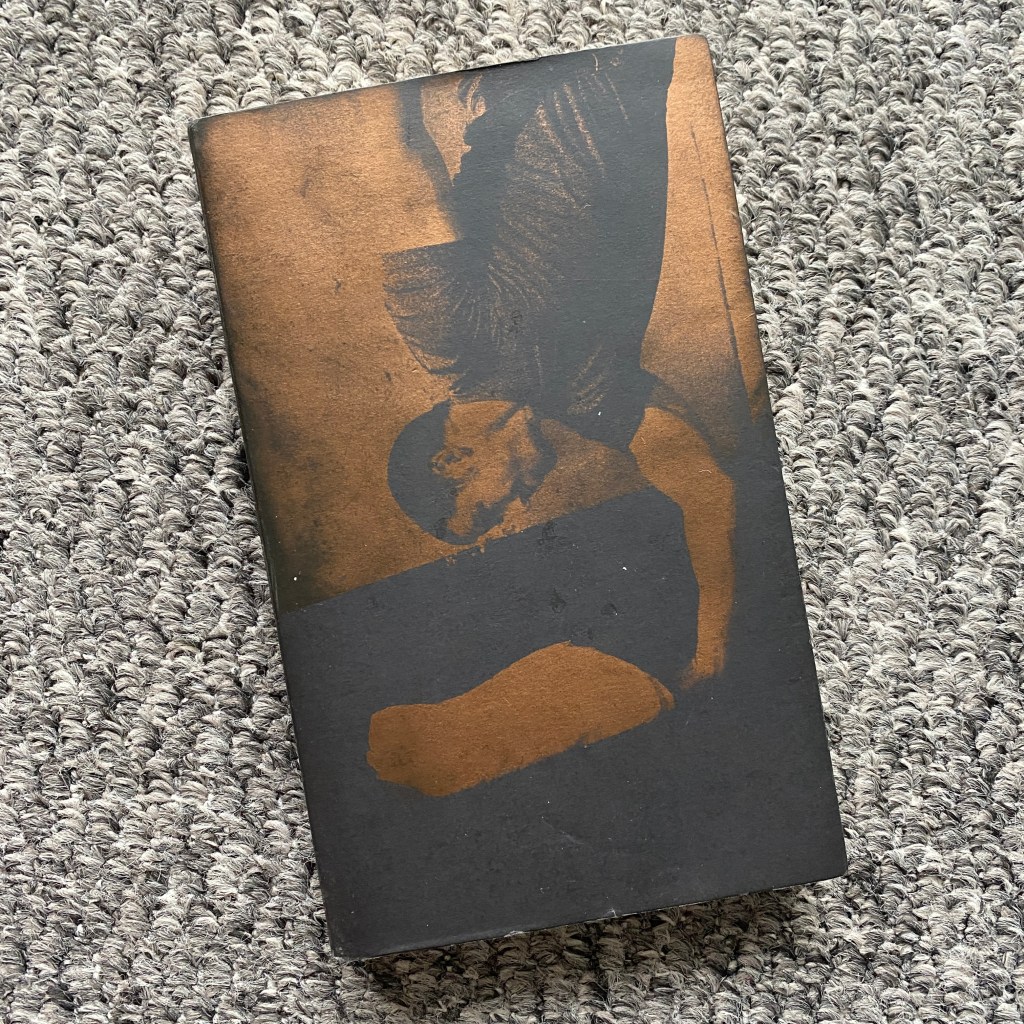
‘The 9 Lives of Ray The Cat Jones’ is Stewart Home’s attempt at piecing together the mysterious life of infamous cat burglar Raymond Jones. The book was originally published as a limited edition run of 500 copies by Test Centre, now known as Prototype Publishing. The book is now available from Cripplegate Books. (I used to be the producer and host of the Lunar Poetry Podcasts series, and always enjoyed being able to cover the wonderful work that Prototype do, so it’s really great being able to cover one of their books here on this blog.)
Firstly, and only because this is a blog about boxing books, it is important to address why this book appears here: Ray Jones himself claims that his own life of crime was precipitated by his arrest for assaulting a police officer in 1937, ending his burgeoning boxing career. A boxing career which Jones believed would certainly have led to him becoming middleweight champion of the world.
Home acknowledges in the epilogue of this book that there is no evidence of any sort of boxing career, never mind one which might have indicated such a sure path to greatness for Jones. This is reflected in my own (albeit limited) internet searches for bout records. Home also acknowledges that the career Jones eventually chose, on the other side of the law to ‘straight-goers’, probably meant that he ended up living within his own legend.
For whatever reason it seems as though Jones was obsessed with not only creating but controlling his own myth, buoyed by a jealousy of the fame and notoriety that a number of career criminals of the same period latterly enjoyed in the form of book deals, films and press coverage.
Regardless of the truth of any form of professional boxing career, the sport and its necessary discipline informed the entirety of Jones’s life, which he lived completely teetotal, believing that to be a successful ‘creeper’ he needed to keep himself in prime physical condition. He continued to train regularly, and relatively intensely, well into his mature years, and this fanaticism and rigour coloured all areas of his life and personality.
There’s a consistent theme in Jones’s character, whereby he seems to need to manufacture and maintain a grudge toward someone, or something, in order to motivate himself toward a particular goal. Through the book these grudges are directed toward the Metropolitan Police, the British judicial system/establishment and fellow career criminals, who in turn either downplayed or overplayed aspects of his criminal life. This itself seems like the single personality trait held by Jones which would have aided a professional boxing career, as it feels like so many boxers, great and mediocre, find motivation in convincing themselves of some imagined slight from their opponent, or lack of respect/acknowledgement from the press.
Jones grew up in a small mining community in Nantyglo, south Wales, so it is of little surprise that he viewed boxing and its training methods as the ideal indicator of manhood and character. That region’s pride in its fighting men stretches back to the earliest records of bare-knuckle fighting in Britain, along with the attendant analogies of the ‘small man’ fighting back against oppressive English rule.
It’s no surprise either that his childhood informed Jones’s progressive socialist idealism, which he claimed was the reason he chose to only steal from the rich, with an amount of any proceeds being donated to the steel and coal workers’ unions which were under very public strain during his career. Of course, as with his boxing career, we only have Jones’s own word for whether we believe that he did only target the upper reaches of British society with his thieving. This again is addressed in Home’s epilogue.
This constant questioning and critiquing (or probably attacking) of the British Establishment, and Capitalism more widely, is much more important to Jones’s life and story than the boxing aspects, particularly his reasoning for rejecting the Labour Party in British politics, and Bolshevism in the former USSR – but I don’t think this blog is the place to go into that.
The upshot, it seems, is that whether or not you believe that Ray ‘The Cat’ Jones had the opportunity to become middleweight champion of the world snatched from him by a Met Police stitch-up, none of that matters. What matters is that Ray clearly believed it, and believed it strongly enough to go on and lead a pretty madly chaotic and intriguing life. A life in which he struggled between needing to exist in the shadows while simultaneously wanting public attention for getting one over on the British bourgeoisie.
 Writers on Boxing
Leave a comment